

Basic Information
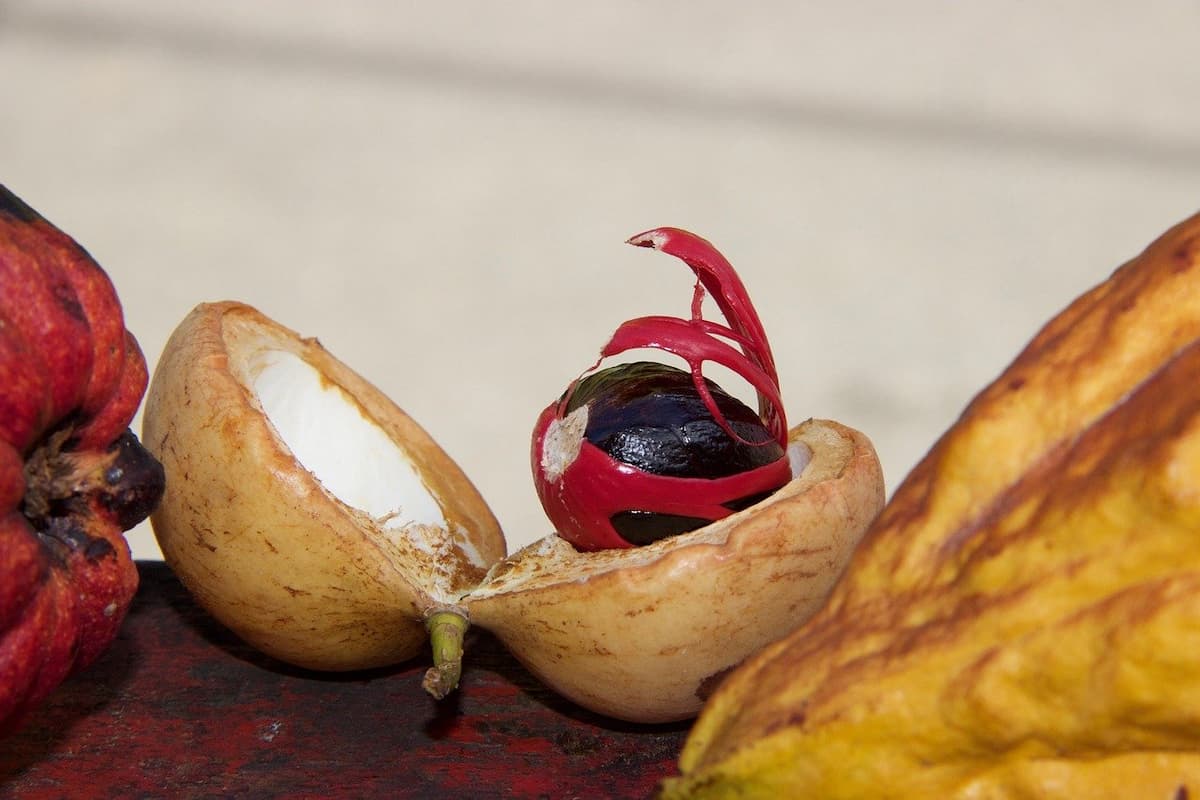
Lily of the valley is called suzuran in Japanese and muguet in French. The French name comes from nutmeg (in Japanese) (muscade in French). Since muscade in turn derives from musk (musc) (in Japanese), lily of the valley is also known in France as “musk of the woods.”
In France it is a symbol of happiness, and there is a custom of giving lily of the valley to loved ones on May 1 (care is needed, however, because the plant is toxic and its toxic substances can also seep into the water in which it is placed). The custom goes back to Charles IX, the twelfth King of France, who was delighted to receive a bouquet of lily of the valley on May 1, 1561.
Muguet as a Fragrance Material
As a rule, the scent is created synthetically, because extraction gives a very poor yield and the absolute smells different from the flower itself. Hydroxycitronellal is used in particular, along with Liral and Lilial, but all of these aldehydic synthetic materials are becoming harder to use because of IFRA restrictions. Alcohol-based materials such as Mayol, Majantol, and Florosa are also used as alternatives to express the scent of muguet.
The most famous lily-of-the-valley soliflore (in Japanese) is Diorissimo (Dior, 1956, Edmond Roudnitska) (in Japanese).
The first lily-of-the-valley formula was created in Grasse in 1900, followed by Coty’s Muguet des Bois in 1942 and Dior’s Diorissimo in 1956. IFF also developed lily-of-the-valley materials. Perfumes such as Estée Lauder’s Youth-Dew and Clinique’s Aromatics Elixir have used the lily-of-the-valley note (in Japanese).
At first I was working on the lily-of-the-valley note, but I was also working on the hyacinth note at the same time. Thanks to that green note, the lily-of-the-valley scent came closer to nature.
Edmond Roudnitska
Unfortunately, IFRA regulates quantities because of allergy-related restrictions, and the lily-of-the-valley scents of the past have changed completely. Even so, Jean-Claude Ellena (in Japanese) sparked a revolution in his quest for a new lily-of-the-valley scent with Muguet Porcelaine (Hermès, 2016) (in Japanese).
Lily of the valley is a rebel whose natural delicacy conceals strength and mystery.
Jean-Claude Ellena
What Does It Smell Like in Perfume?
Muguet in perfume is a reconstructed note built from multiple fragrance materials, suggesting tiny dew-covered white flowers, green leaves, moisture, and soap. Lilyflore brings a watery freshness and powderiness; Muguissimo maintains a fresh, clean scent from the top notes through the base; and Aquaflora has a transparency reminiscent of green leaves and water. Each is an individual synthetic material used to express muguet, rather than a complete muguet accord on its own. Their differences shape the freshness and depth of the floral impression.
1. The ingredient is already selected when you open the link above. If you would like to combine it with another ingredient, tap one of the ingredients shown farther down the page. Tapping or hovering over it reveals a “+” symbol on the left; press it to search for perfumes combining those ingredients.
2. Once you have selected the ingredients you want, press “SEE RECOMMENDATIONS” to display the results.

コメント