

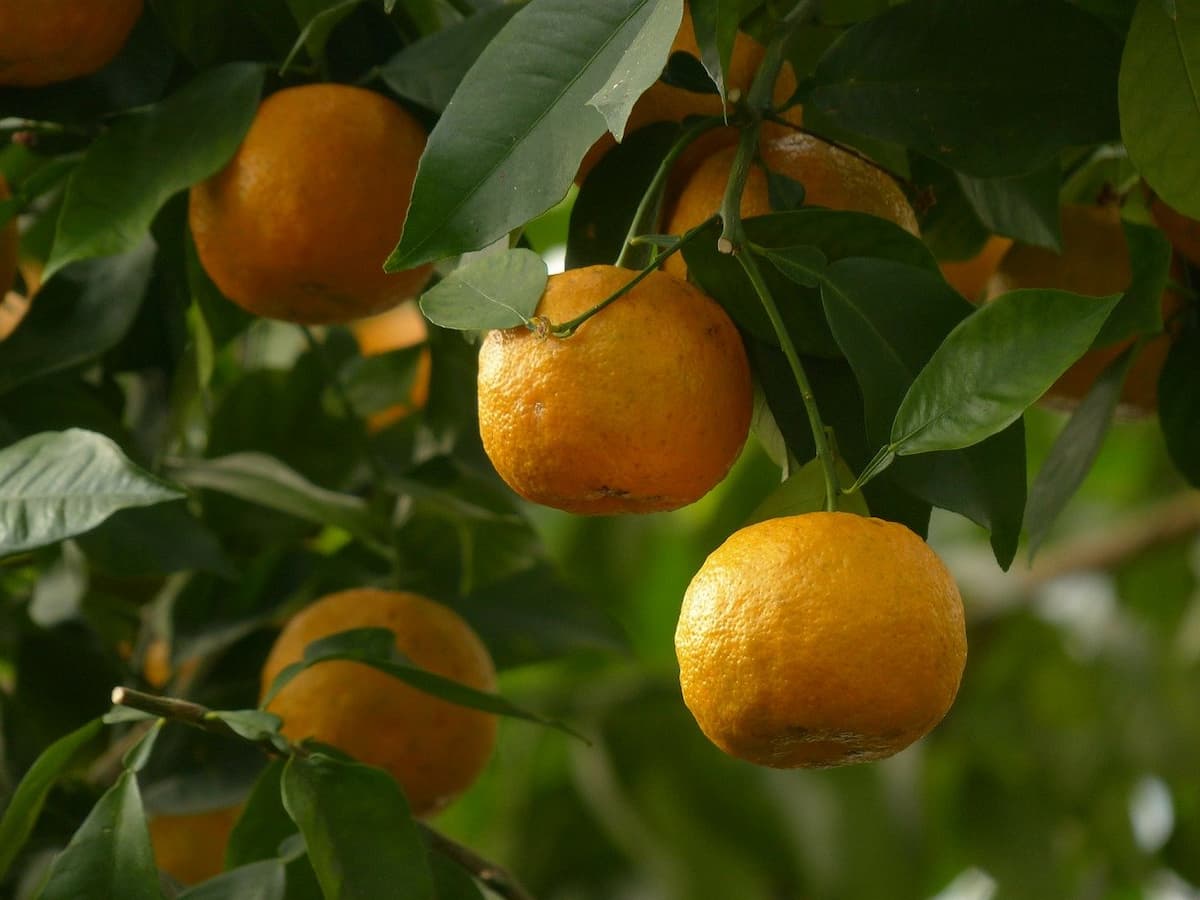
Mandarin, a member of the Rutaceae family, is known as the mandarin orange and is an orange native to China. Today it is cultivated in tropical and subtropical regions, including the Mediterranean. In addition to the best-known mandarin, this fruit has several varieties, including the tangerine, named after Tangier in Morocco, the satsuma mandarin (unshū mikan), and the clementine (although mandarin and tangerine are the most commonly used).
It is characterized by greater sweetness than other citrus fruits, along with spiciness and tartness.
Mandarin is distinctive, and more complex than lemon. In America, mandarin is more popular than lemon because it is fruity and has a floral scent that orange, lemon, and bergamot (in Japanese) do not have.
Jacques Cavallier
What Does It Smell Like in Perfume?
In perfume, mandarin is an approachable citrus that combines the sweetness of juice with the sparkling scent of peel. Green mandarin oil, cold-expressed from early-harvested Citrus reticulata, adds a green quality to floral, fruity, and zesty notes, giving the opening a vivid lift. Mandarin reco, by contrast, is an artificial reconstruction combining citrus and aldehydic elements. Even natural oils vary in character with ripeness and origin, and reconstructed accords may also be used under the names tangerine or mandarin.
1. The ingredient is already selected when you open the link above. If you would like to combine it with another ingredient, tap one of the ingredients shown farther down the page. Tapping or hovering over it reveals a “+” symbol on the left; press it to search for perfumes combining those ingredients.
2. Once you have selected the ingredients you want, press “SEE RECOMMENDATIONS” to display the results.



コメント