Ingredient Guide
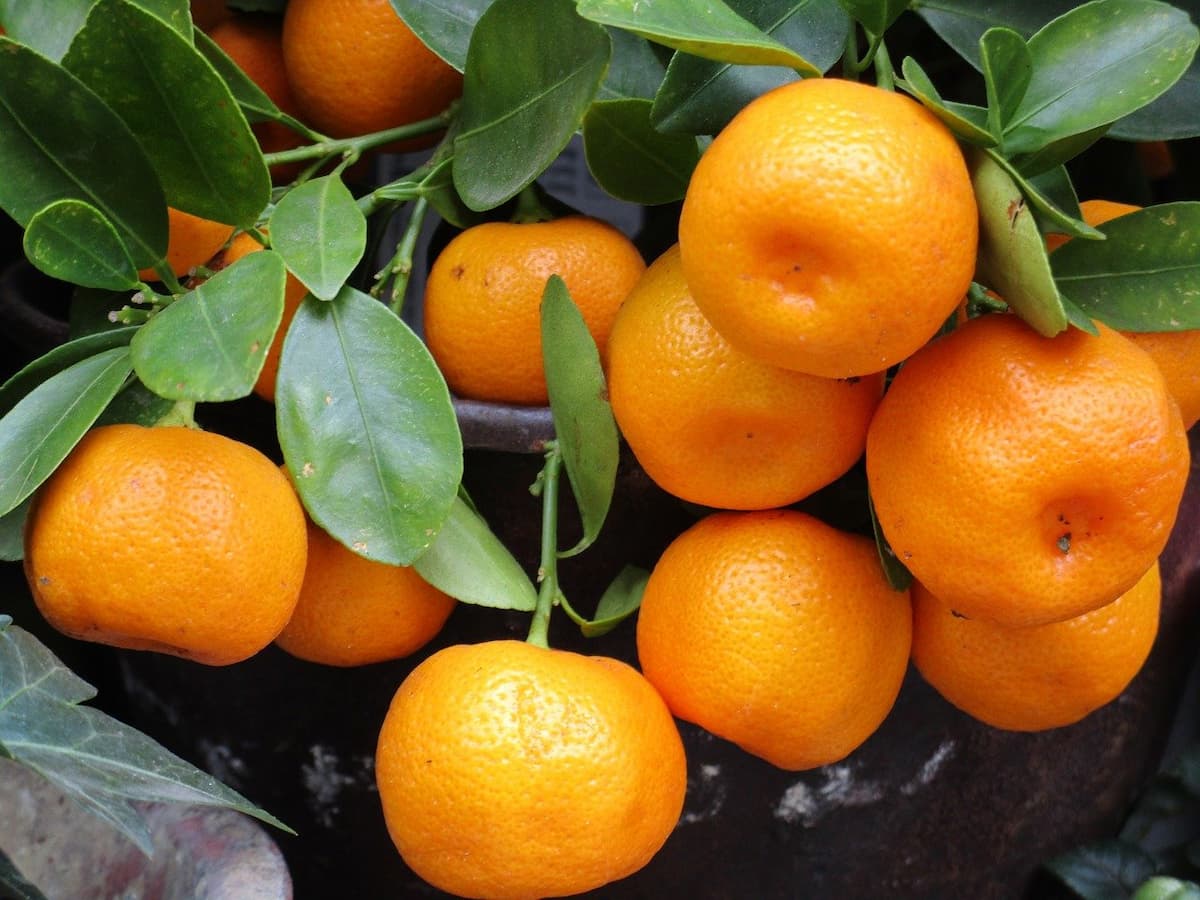
The fruit of the bitter orange tree, or bigaradier, is called bigarade in French. In Japan, daidai is a type of bitter orange. Essential oils are obtained not only from the peel but also from the flowers (neroli and orange blossom (Japanese)) and the leaves and twigs (petitgrain (Japanese)).
How does it smell in perfume?
Bitter orange oil is a natural fragrance material obtained by expressing the peel of Citrus aurantium. A clean aldehydic character combines with juicy fruit and a faint floral scent to give perfume a bright, well-defined citrus outline. Although they come from the same tree, neroli, distilled from the flowers, smells of white flowers and greenery, while petitgrain, distilled from the leaves and twigs, smells of bitter leaves and refreshing citrus. The peel, flowers, and leafy twigs have different scent profiles, so each is used as a distinct natural fragrance material.
How to Choose Bitter Orange Fragrances
A bigarade-centered cologne highlights the pleasant bitterness of orange peel. Fragrances inspired by the whole bitter orange tree also explore its flowers, leaves and branches. The same tree offers both the sharpness of peel and the softness of white flowers.
Comparing Bitter Orange Fragrances
Cologne Bigarade (Frédéric Malle)
A cologne centered on bitter orange essence. Cardamom, pink pepper, hay and cedar surround the bitter citrus.
Eau des Sens Eau de Toilette (Diptyque)
The inspiration is the whole bitter orange tree: flowers, fruit, leaves and branches. Orange blossom, angelica root, patchouli and juniper berry are key notes. It explores more of the tree than a cologne focused on the bitterness of its peel.
Find Your Next Fragrance
To explore more perfumes, open our Fragrance Finder. Choose “Favorite fragrances & notes” on the home screen, then search in the “Favorite notes” field. Select a note you like from the results and press “Next” to continue. You can start with notes even if you do not yet have a favorite perfume.