Ingredient Guide
The English name pomegranate comes from the Latin for “an apple with many seeds” (each fruit contains 500–600 seeds), and in Japan it is generally called zakuro. In perfumery, it is used to lend a fruity character or a wine-like effect. It also has a slight spiciness and leathery quality.
What Does It Smell Like in Perfume?
In perfume, pomegranate (zakuro) is a fruity note with depth, layering sweet-tart juice with the astringency of green peel, dewy flowers, and a subtle woody quality. Unlike the straightforward sweetness of berries, it combines clear tartness with a slightly dark fruitiness, adding depth while giving a fruity composition definition. As a perfume ingredient, it does not refer to one standard natural extract; instead, it is expressed as a reconstructed accord in which several materials build juiciness, greenness, and floral and woody nuances. Its balance varies from one fragrance to another, ranging from vivid tartness to ripe sweetness.
Choosing a fragrance with pomegranate
Pomegranate fragrances can be chosen for bright, tart-sweet juice or the richness of ripe fruit.
- Lighter fruit: Citrus or transparent flowers may appeal if you enjoy juicy freshness.
- Richer, more complex fruit: Berries or spices introduce more than sweetness alone.
- A calmer finish: Patchouli or woods leave an earthy, woody impression after the fruit.
A fragrance to explore pomegranate
Pomegranate Noir Cologne (Jo Malone London)
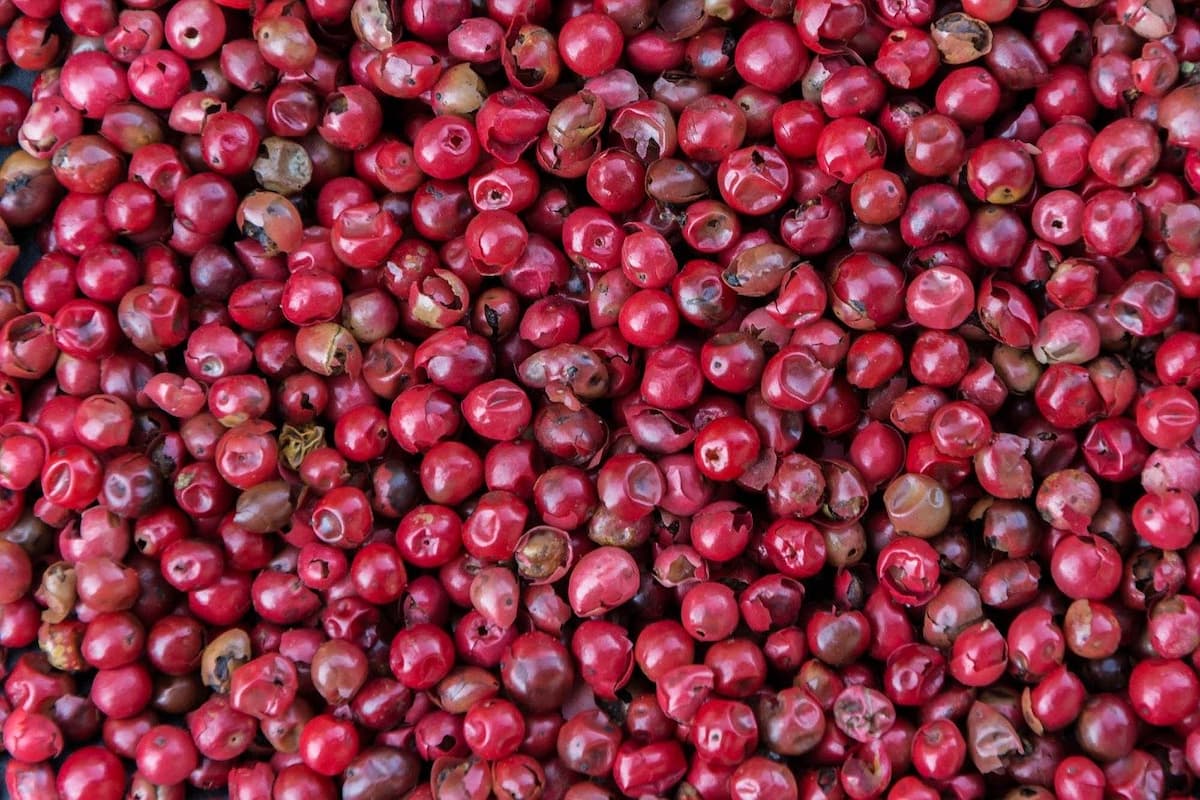
Pomegranate-like fruitiness meets pink pepper and Casablanca lily, with depth from patchouli and smoky guaiac wood. Spice and dark woods surround the sweet-tart fruit.
Find your next fragrance
In Fragrance Finder, choose “Favorite fragrances & notes” on the home screen, then look for notes you enjoy under “Favorite notes”. Select from the available suggestions and press “Next”.