Ingredient Guide
Named after the French botanist Pierre Magnol, magnolia is one of the oldest flowers and has at least 200 varieties. Its origins predate bees, which are thought to have appeared 100 million years ago, and its large white flowers have bloomed since the age of the dinosaurs. It is grown mainly in Asia (Japan and China) and America, where it is the state flower of Louisiana and Mississippi.
Magnolia is the collective name for the Magnoliaceae family, and mokuren is one of the magnolias. The species used as a fragrance material is the southern magnolia, known in Japanese as taisanboku (Magnolia grandiflora).
Its scent has a citrus nuance and a lychee-like fruitiness. Its essence is said to have first been used in perfume in Tocade (Rochas, 1994, Maurice Roucel). The magnolia species Maurice uses is michelia centifloria, which he slips into various perfumes as his signature.
Magnolia flower oil as a fragrance material is sweet, with a scent like very ripe, fermenting berries, almost bubbling as they ripen. It is unusual among natural floral fragrance materials in having a fruity element.
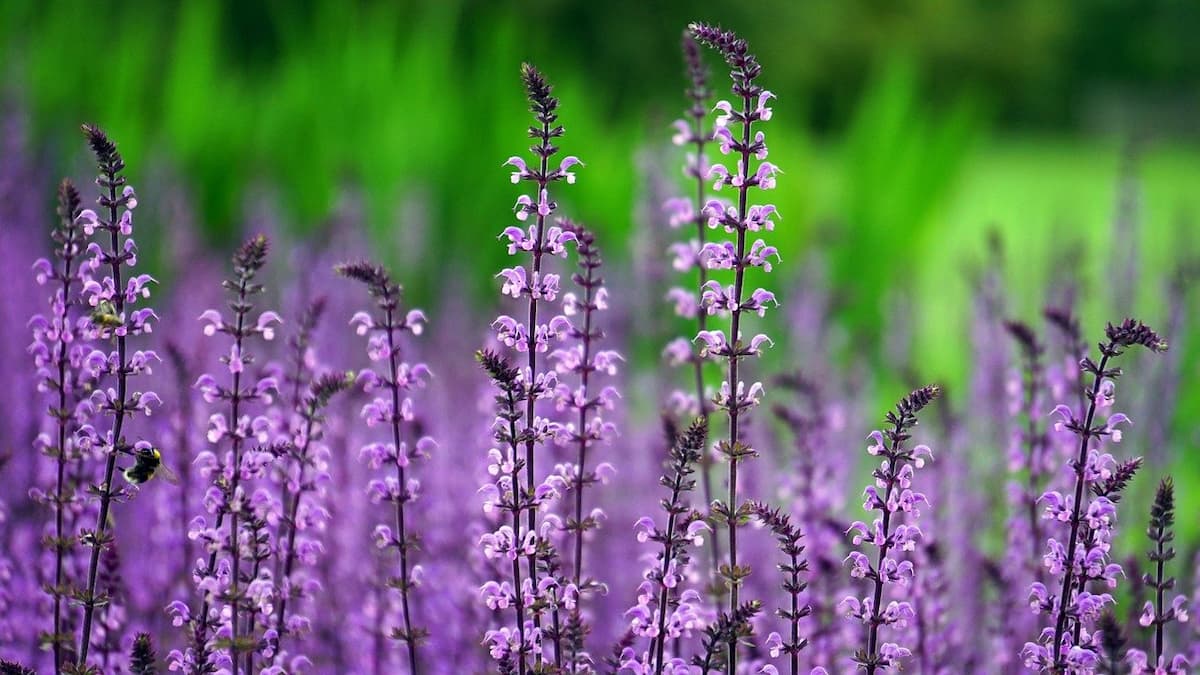
As soon as the ripe-fruit top note fades, a sage-like herbal scent quickly becomes prominent. The combination of these two qualities makes it a rather curious material.
It also has the astringent, dry woody odor of caryophyllene (a scent component found in clove).
Satori Osawa
What Does It Smell Like in Perfume?
In perfume, magnolia is a transparent white floral layered with fruit, green leaves, and a hint of spice. Natural flower oil distilled from the blossoms of Michelia alba has the complex character of the flower itself. The synthetic molecule Hedione HC, by contrast, has a clear magnolia-like scent and diffusive power, lending brightness and expansiveness to floral notes from the top through the heart. These are different materials, used alone or combined with other floral materials to create lightness and an airy quality.
Choosing Magnolia Fragrances
When choosing a magnolia fragrance, look beyond white flowers to its citrus-like brightness and pairings with fruit and woods.
- Citrus-like brightness: Lemon and bergamot add crisp freshness to the flowers.
- Soft florals: Fruit and musk add sweetness within a transparent scent.
- Spices and green notes: Herbs and spices suit those who want more than a white floral.
Fragrances Featuring Magnolia
Eau de Magnolia Eau de Toilette (Frédéric Malle)
Citrusy, rose-like magnolia is paired with bergamot, lemon, and grapefruit. Oakmoss and patchouli mingle with the sweetness of peach and apricot.
Coriander (D.S. & Durga)
Coriander, geranium, and clary sage are layered with magnolia, musk, and mace. Green spices take the lead, with magnolia adding a floral note to the base.
From Magnolia to Your Next Fragrance
Once you have a sense of the scents you enjoy, open our Fragrance Finder. Choose “Favorite fragrances & notes” on the home screen, search in the “Favorite notes” field, and select an option from the suggestions shown. Choose “Next” to continue. You can start with notes even if you do not yet have a favorite perfume.