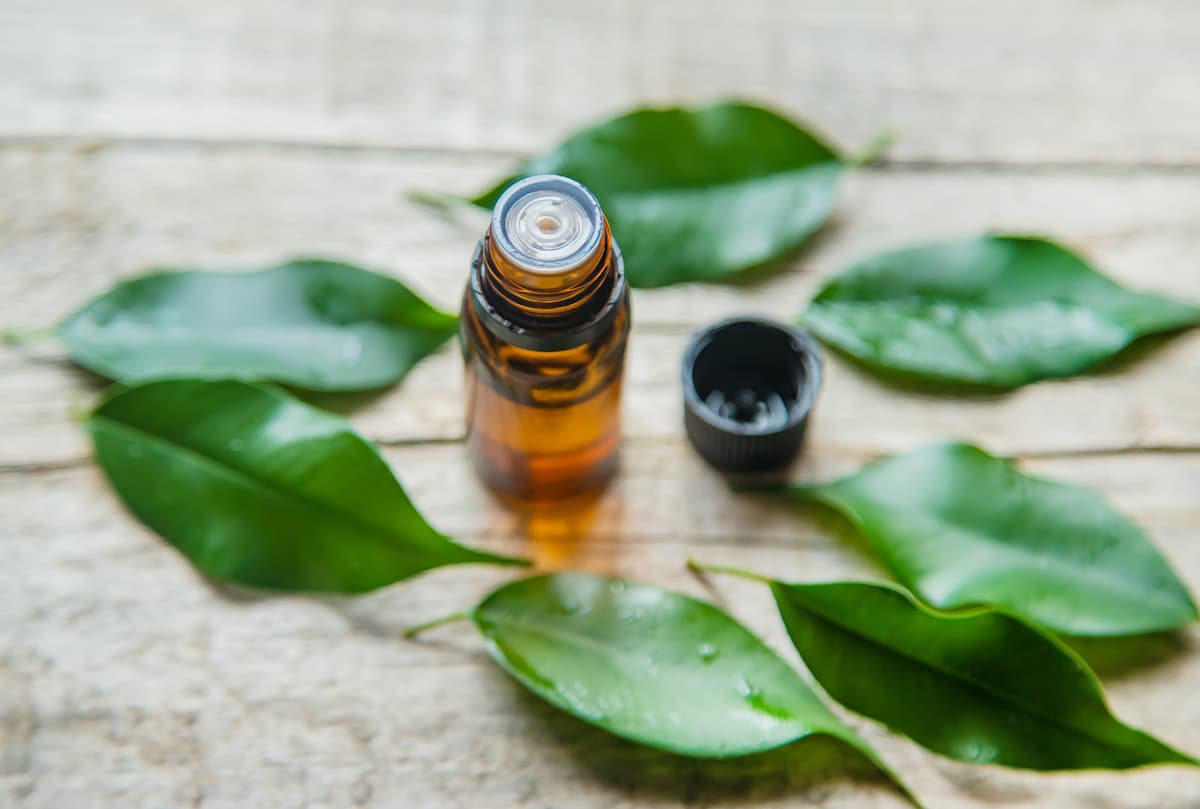
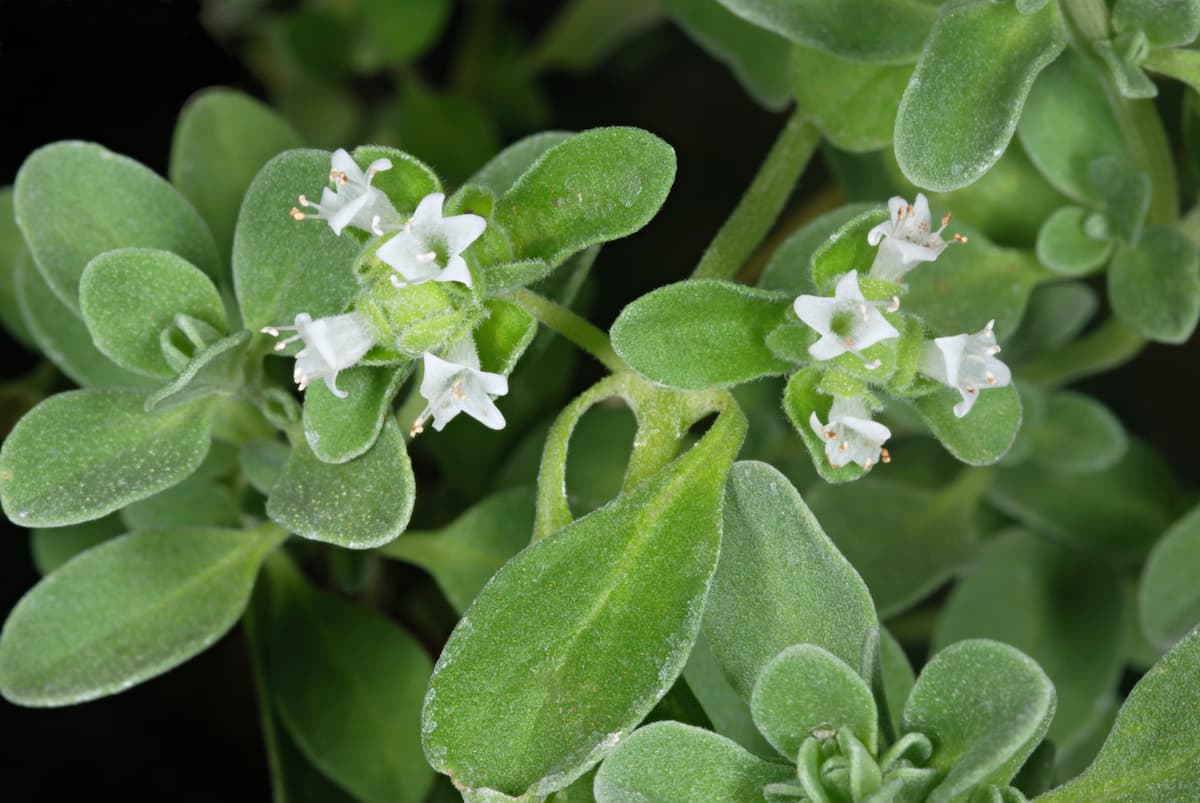
There are two main types of orange used as fragrance materials: sweet orange (Citrus sinensis) and bitter orange (Citrus bigaradia). Sweet orange trees are smaller than bitter orange trees, but their fruit is larger. Furthermore, although bitter orange is phototoxic, sweet orange essential oil obtained by expression is not phototoxic. With bitter orange, the flowers (neroli and orange blossom) and the leafy branches (petitgrain) are also used to produce essential oils, whereas sweet orange is essentially used for its fruit alone.
In the perfume industry, sweet orange, sometimes simply called orange, tends to be preferred to the more bitter-smelling bitter orange.


What Does It Smell Like in Perfume?
Natural sweet orange essential oil brings a sweet, juicy brightness to top notes, like the moment an orange peel is squeezed. Obtained from the peel, it creates a succulent citrus impression centered on its main constituent, d-limonene. Combined with other citrus materials, lavender, or spices, it makes a fragrance’s opening softer and more approachable. Its character changes with processes such as expression, distillation, and decolorization. Sweet orange peel oil is a different material from neroli, obtained from bitter orange flowers, or petitgrain, obtained from the leaves.
1. The ingredient is already selected when you open the link above. If you would like to combine it with another ingredient, tap one of the ingredients shown farther down the page. Tapping or hovering over it reveals a “+” symbol on the left; press it to search for perfumes combining those ingredients.
2. Once you have selected the ingredients you want, press “SEE RECOMMENDATIONS” to display the results.