Ingredient Guide
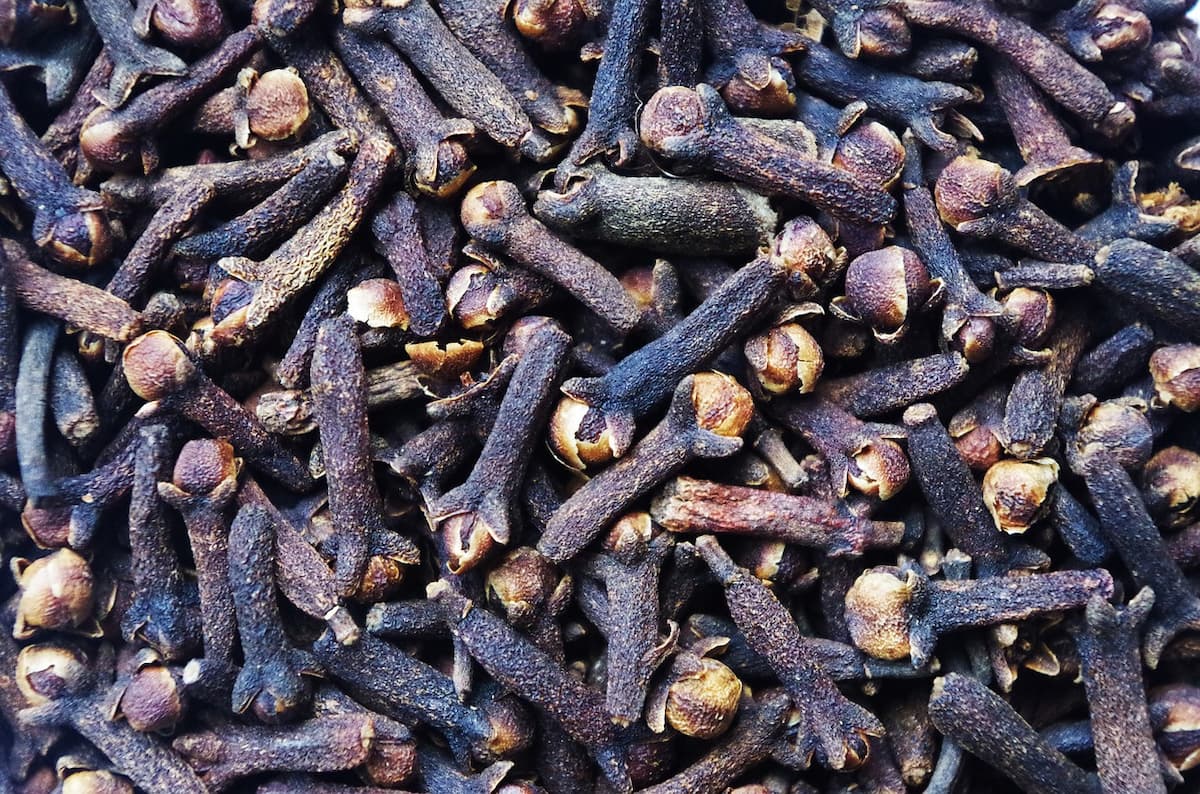
Cinnamon, known in Japanese as keihi or nikki, has been used as a spice since antiquity, and its essential oil is extracted from the bark. Because bark oil is expensive, leaf oil is sometimes used instead.
Cinnamon falls broadly into two types. One is Chinese cinnamon, also called cassia, which accounts for most cinnamon used in cooking. Its scent has a cheap character, with a strong pepper note and an impression of bitter almonds. It seems to be particularly favored in the United States.
The other is the more expensive type, also known as true cinnamon. Called Ceylon cinnamon, it is cultivated in Sri Lanka and Madagascar. This type is preferred in Europe and smells milder than Chinese cinnamon.
The scent has two facets: (1) a very warm, hot-spice facet and (2) a very dry, woody facet.
What Does It Smell Like in Perfume?
In perfume, cinnamon acts as a hot spice, adding a warming pungency and dry woodiness to sweetness. Even among natural materials, bark oil is rich in cinnamaldehyde, while leaf oil contains more eugenol and has a more clove-like character. Cinnamalva is a separate synthetic material reminiscent of cinnamon, rather than natural cinnamon oil itself; it adds warm spiciness from the top through the heart. Cinnamaldehyde is subject to IFRA restrictions, so its use level must be designed for the relevant product category.
How to Choose Cinnamon Fragrances
Sweet cinnamon that recalls confectionery gives a different impression from spice surrounded by resin and incense. Musc Ravageur combines it with vanilla and musk, while Camel brings dried fruit and incense. Each creates a different kind of warmth.
Comparing Cinnamon Fragrances
Musc Ravageur (Frédéric Malle)
Cinnamon is surrounded by the warmth of vanilla and musk. Bergamot and mandarin bring brightness, while amber and sandalwood accompany the sweetness.
Camel (Zoologist)
Dried fruit and spices, including cinnamon, are joined by rose, frankincense, myrrh, amber and jasmine. Fruit and incense provide a different direction from Musc Ravageur.
Find Your Next Fragrance
To explore more perfumes, open our Fragrance Finder. Choose “Favorite fragrances & notes” on the home screen, then search in the “Favorite notes” field. Select a note you like from the results and press “Next” to continue. You can start with notes even if you do not yet have a favorite perfume.