- Ingredient Guide
- The Basics
- Jasmine Grandiflorum (Jasminum grandiflorum)
- Jasmine Sambac (Jasminum sambac)
- Well-Known Words on Jasmine from Perfumers and Industry Figures
- Representative Perfumes Featuring Jasmine Sambac
- Recommendations from Jasmine Perfume Lovers (Japanese Discussion)
- Choosing Jasmine Fragrances
- Fragrances Featuring Jasmine
- From Jasmine to Your Next Fragrance
Ingredient Guide
The Basics
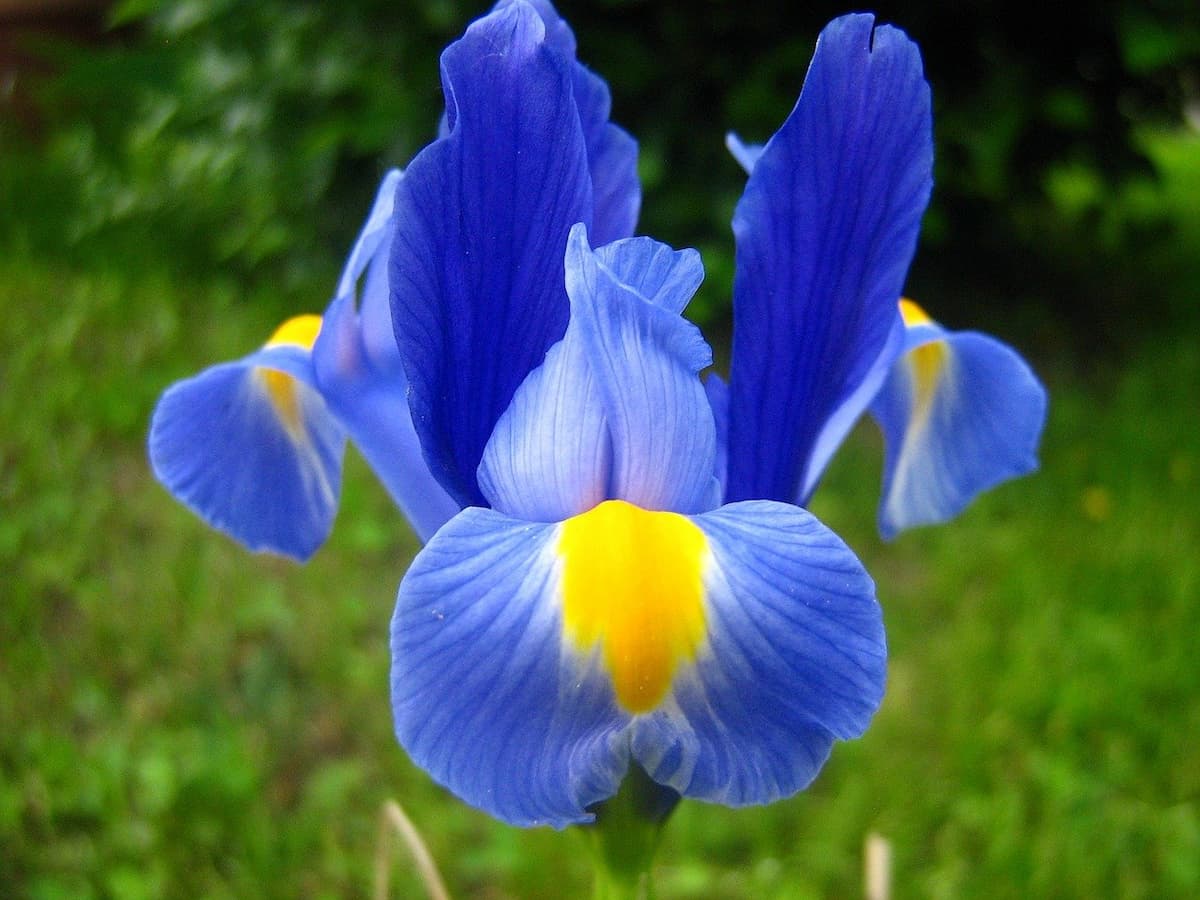
Jasmine, often called the most important flower after rose (Japanese article), takes its name from the Persian Yasameen, meaning “gift of God”. Botanically, it is related to the olive, osmanthus (Japanese article), and lilac (Japanese article). Its scent is rich, sensual, fruity, and warm, combining an intoxicating floral character with animalic notes. Its essential oil is called the “King of Oils” (rose being the Queen of Oils), and costs at least €100, or approximately ¥12,000, per kilogram.
The jasmine used in perfumery falls into two main groups: the widely used jasmine grandiflorum, and jasmine sambac, harvested in India, South Asia, and China. Jasmine contains chiefly indole and dihydrojasmonate (Hedione; Japanese article). When grown in warmer climates, it contains more indole and less jasmonate.
Whenever I want to add a fresh impression or a sparkling sensation to a floral note, I always use jasmine sambac.
Calice Becker
Jasmine Grandiflorum (Jasminum grandiflorum)
This jasmine, whose name means large-petaled jasmine, is also known as jasmine G., French jasmine, Spanish jasmine, or royal jasmine, and is the type most widely used in perfume. Grasse was once its main growing region, but it is now cultivated in Egypt, India, and Morocco, with Egyptian jasmine accounting for 80% of the total. Its scent has a sweetness reminiscent of apricot (Japanese article) and banana.
From 1,000 kg of hand-picked jasmine, equivalent to eight million flowers, 2.3 kg of concrete (Japanese glossary) is produced, ultimately yielding 1 kg of absolute (Japanese glossary).
Jasmine from Grasse is considered the finest jasmine grandiflorum. Jasmine originally sustained the local industry, so in Grasse, simply saying “the flower” means jasmine. It is the most expensive, costing at least ¥1.5 million per kilogram, with high-quality material reaching ¥4 million.
Jasmine from Grasse is described as having an elegant scent. Discussing regional differences in Jasminum grandiflorum, perfumer Pierre Benard describes jasmine from Grasse as containing less indole than jasmine from warmer climates, with a fresher scent, fruity undertones and a gentler animalic character. It is also said to have an atmosphere reminiscent of blackcurrant (Japanese article).
Chanel has jasmine fields in Grasse, and Chanel No. 5 is a representative perfume made with jasmine from Grasse.
The Guerlinade created by Jacques Guerlain contains jasmine grandiflorum, which is like a cousin to sambac. In Jacques’s day, sambac was not yet used by the perfume industry. Jean-Paul brought the two together in Samsara. As far as I can see, both are used in about the same amounts in the Guerlinade.
Thierry Wasser
Jasmine Sambac (Jasminum sambac)
Also known as Arabian jasmine or midnight jasmine, it is written 茉莉花 in Chinese, a name read as matsurika in Japanese. This is the flower used for jasmine tea in China.
Sambac derives from the Sanskrit campaka, meaning “intoxicating scent.” From 800 kg of hand-picked flowers, 1 kg of concrete is obtained, which in turn yields 600 g of absolute. The absolute costs at least ¥450,000 per kilogram.
Its flowers generally open from the evening, around 6–8 p.m., through the early morning. Compared with jasmine grandiflorum, they are fleshier and contain more indole, with a dark, green, weighty animalic scent. The fragrance is close to orange blossom (Japanese article).
Jasmine sambac is almost not jasmine at all, because it smells somewhere between jasmine and orange blossom. Its aromatic composition includes indole, a touch of animalic notes, and green notes. It is very complex and has many facets. These make jasmine sambac seem wonderfully fresh, yet alluring and almost irresistibly seductive.
Sophie Labbé
Well-Known Words on Jasmine from Perfumers and Industry Figures
I love jasmine sambac because it smells so sunny, feels very positive, and is elegant as well. That is why I also use it in men’s fragrances at Louis Vuitton.
Jacques Cavallier
First (Van Cleef & Arpels) is a jasmine perfume: it even contains four types! Compared with Sophia Grojsman’s work, she was obsessed with rose, while I was obsessed with jasmine. So I know how to use jasmine.
Jean-Claude Ellena
What Does It Smell Like in Perfume?
In perfume, natural jasmine absolute creates a complex heart centered on dense white flowers, layered with fruit, tea, green leaves, and a subtle animalic quality. Jasminum sambac and J. grandiflorum differ in character, and the impression also changes with the harvest season and extraction grade. cis-Jasmone is a single synthetic molecule used to express jasmine and tuberose. It is neither a natural absolute nor a finished jasmine accord, but one material used to shape a floral impression.
Representative Perfumes Featuring Jasmine Sambac
The classification below is based mainly on Jasmine Sambac (Nez Editions, 2020; Japanese book article), with additions where appropriate. I recommend this book if you would like to explore the subject in more detail.
I hope this helps you discover which kind of jasmine sambac fragrance you enjoy.
Woody Jasmine
Samsara (Guerlain, 1989), Alien (Mugler, 2005), Cèdre Sambac (Hermès, 2018)
When I smelled the combination of jasmine and sandalwood in Samsara, I thought it was truly wonderful. It was a perfect pairing. And, as if by magic, both the jasmine sambac and the sandalwood used by Guerlain are native to India.
Thierry Wasser
Oriental Jasmine
Hypnotic Poison (Dior, 1998), L’Instant de Guerlain (Guerlain, 2003), Jasmin Noir (Bulgari, 2008)
Floral Bouquet Jasmine
24 Faubourg (Hermès, 1995), Gucci Bloom (Gucci, 2017), Jasmine Sambac & Marigold (Jo Malone, 2018)
Fruity Jasmine
J’adore (Dior, 1999)
Soliflore Jasmine
Jasmin Rouge (Tom Ford, 2011), Imperial Tea (Kilian, 2014), Jasminum Sambac (Chloé, 2019)
Recommendations from Jasmine Perfume Lovers (Japanese Discussion)
People who love jasmine perfumes have shared their recommendations! Their firsthand impressions are a wonderful source of ideas, so please take a look if you are searching for a jasmine fragrance. If there is a perfume you would love to recommend to someone still looking for the right jasmine scent, you are always welcome to reply to this tweet.
[Your help wanted!]
— Fragrance Learning Hub ★ Le Chercheur de Parfum (@per_fume_as) November 20, 2022
Would you like to share a perfume recommendation?
What is your favorite jasmine perfume?
All perfume lovers are welcome to reply, regardless of experience or whether you are a brand or an individual! 👼
Jasmine means “gift of God.”
・Perfume name and brand
・Anything you would like to add, such as whom you recommend it for or what it smells like
・Include pictures and write as much or as little as you like! pic.twitter.com/Z0IQS39jcx
Choosing Jasmine Fragrances
The richness of white flowers, hints of fruit or tea, and green freshness are useful guides when choosing a jasmine fragrance.
- Layers of flowers: Florals combining jasmine with other white flowers suit those who enjoy the richness of a garden or bouquet.
- Soft sweetness: Sandalwood, musk, and vanilla add a smooth finish to rich flowers.
- Greenness and transparency: Green notes, tea, and citrus suit those who prefer lightness to rich white flowers.
Fragrances Featuring Jasmine
Olène Eau de Toilette (Diptyque)
Jasmine is paired with wisteria, honeysuckle, and narcissus. Its layered flowers evoke a garden in Venice.
Jasmin 17 (Le Labo)
Natural jasmine is layered with musk, sandalwood, and vanilla. Soft woods and musk, along with the sweetness of vanilla, accompany the rich jasmine.
From Jasmine to Your Next Fragrance
Once you have a sense of the scents you enjoy, open our Fragrance Finder. Choose “Favorite fragrances & notes” on the home screen, search in the “Favorite notes” field, and select an option from the suggestions shown. Choose “Next” to continue. You can start with notes even if you do not yet have a favorite perfume.