Ingredient Guide
When a sperm whale eats indigestible material such as the hard beaks of octopuses and squid, the substance it subsequently expels is called ambergris (“gray amber”). Lighter than water, it floats in the sea and sometimes washes ashore. Because these lumps had a wonderful scent that was difficult to put into words, and a color and shape unlike anything else, a Chinese observer called them “dragon’s saliva fragrance,” imagining them to be hardened dragon’s saliva.
It is also called the sperm whale’s pearl: the beaks irritate the airways or intestines, prompting a waxy secretion that forms a concretion, in a process likened to the relationship between a shellfish and its pearl. Records describe royalty, including England’s Charles II, eating ambergris, and recipes survive for chocolate drinks flavored with it.
Freshly expelled ambergris is black, somewhat soft and sticky, and has a smell that most people find unpleasant. For this reason, fresh ambergris has no value. As it drifts through the sea and is exposed to salt water and sunlight, it develops its distinctive scent.
The longer it floats on the surface, the paler its color becomes and the mellower its scent grows. The perfume industry uses standard brown-to-gray material as well as smaller, white pieces that have spent longer drifting at sea; the latter are the highest quality.
The finest material can cost ¥3,000 or more per gram. The largest piece of ambergris ever found weighed 420 kg and was discovered in Antarctica in 1953. Its high value has earned it the name “floating gold.” For the reasons described above, natural ambergris cannot be obtained in a steady supply, so synthetic fragrance materials are used as substitutes.


Its scent is sometimes described as very light, subtle, and slightly sweet, but to me it gives more of a salty, dry, almost overwhelming impression.
Shortening its name to “amber” can lead to confusion with the amber accord, so I generally recommend calling it ambergris.

What Does It Smell Like in Perfume?
Mature natural ambergris is an animal-derived material with a complex scent reminiscent of seaweed, wood, moss, and dry sweetness, and a long-lasting drydown. Perfumery also uses a separate group of ambroxide-based materials modeled on major odorants in natural ambergris. Ambrox Super, for example, is a modern ingredient that gives a transparent amber, musky, and woody scent. Natural ambergris contains many components, whereas ambroxide-based materials center on particular aroma molecules. Their origins and composition therefore differ, even when both produce an ambergris-like effect.
How to Choose Ambergris Fragrances
Ambergris blended into citrus gives a different impression from a fragrance that puts its animalic and mineral facets at the center. The two perfumes below, both made with natural ambergris, show this distinction. There is sweetness and warmth to consider as well as its marine character.
Comparing Ambergris Fragrances
Escale en Indonésie (Les Indémodables)
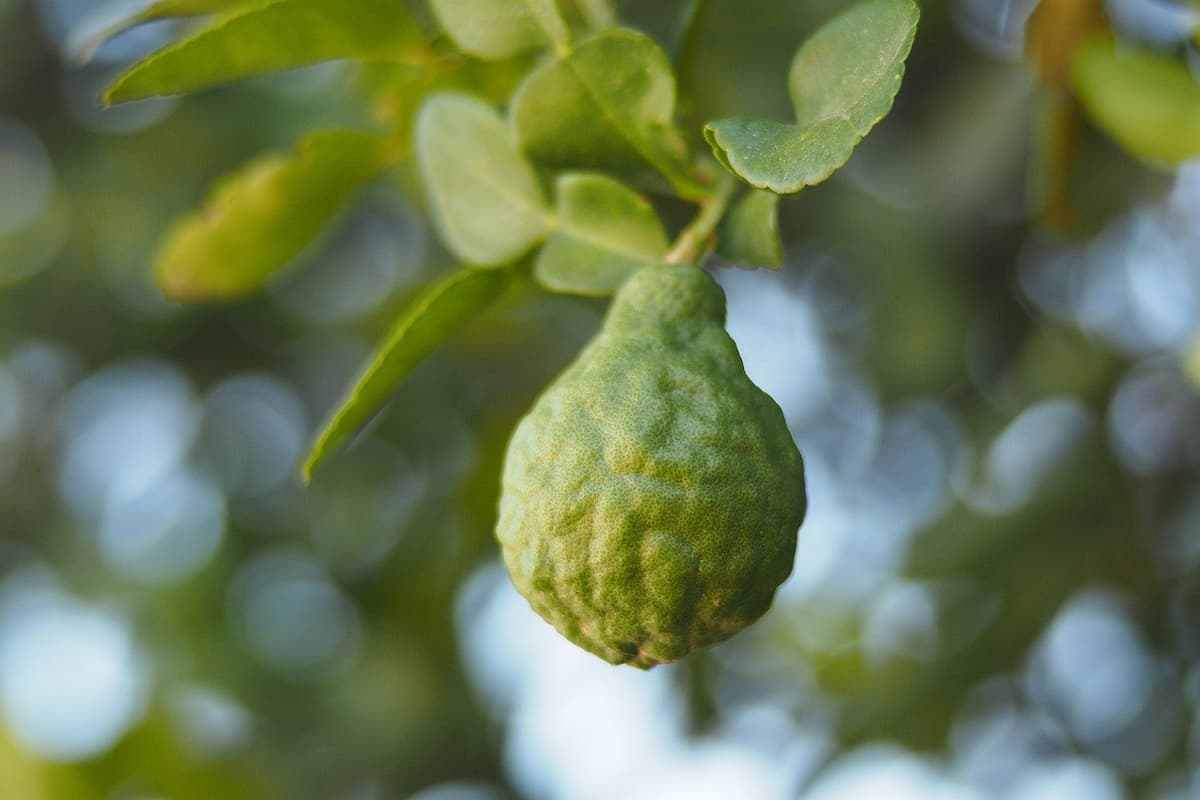
An eau de cologne made with a tincture of natural ambergris. Bergamot, lemon and bitter orange leaf are joined by sandalwood and jasmine, placing ambergris within a bright citrus fragrance.
Ambre Suprême (Les Indémodables)
An ambergris tincture takes the leading role, revealing animalic, mineral and subtly iodine-like facets. Rather than a refreshing eau de cologne, this is an exploration of the material’s many sides.
Find Your Next Fragrance
To explore more perfumes, open our Fragrance Finder. Choose “Favorite fragrances & notes” on the home screen, then search in the “Favorite notes” field. Select a note you like from the results and press “Next” to continue. You can start with notes even if you do not yet have a favorite perfume.