

What Is Chypre?
The chypre (Chypres) family of perfumes begins with “Chypre,” introduced in 1917 by François Coty. Its name comes from the Mediterranean island of Cyprus. Incidentally, fragrances bearing the island’s name existed before Coty, including Eau de Chypre (1821), dedicated by Pierre-François Lubin to Russia’s Emperor Alexander I, and Guerlain’s Chypre (1850) and Chypre de Paris (1909). However, Coty’s perfume was so successful that Coty’s Chypre is usually cited as the first.
A chypre is characterized by an opening of powerful citrus notes, particularly bergamot (in Japanese), followed by floral absolutes such as jasmine (in Japanese), rose (in Japanese), and ylang-ylang, and finally the sweet, deep, woody scent of the all-important labdanum (in Japanese). Labdanum appears to have been used as a characteristic ingredient since the days of Eau de Chypre. Interestingly, however, labdanum is also an important material in the amber (oriental) family.


From 2001, natural oakmoss was restricted by IFRA because of allergy concerns, and it was banned in 2012, causing many chypre perfumes to disappear. This led to the emergence of perfumes known as modern chypres, which use alternatives instead of oakmoss.
Chypre scents are further divided broadly into fresh chypre, fruity chypre, floral chypre, green chypre, leather chypre, and woody chypre. Woody accords combine patchouli (in Japanese), vetiver (in Japanese), cedar, and oakmoss (another very important material), while isobutyl quinoline is used for leather.
Chypres are often marketed to women, but there are also versions for men; both have a poised, refined scent. The popularity of casual styles in the 1980s and 1990s also provided a historical backdrop in which chypres were considered too refined. The keywords are refinement, elegance, and a composed atmosphere.
A chypre perfume does not reveal its entire scent at the first impression. Gradually, gradually, it reveals its secrets to the person wearing it.
Dorothée Piot
Representative Chypres
Think of a famous French perfume from the twentieth century. It will undoubtedly be a chypre.
James Heeley
The following classifications of chypres reflect the author’s subjective judgment.
Chypre (Coty, 1917, François Coty)
Fruity Chypres
Mitsouko (Guerlain, 1919, Jacques Guerlain)
Sublime Balkiss (The Different Company, 2008, Céline Ellena)
Eau de Magnolia (Frédéric Malle, 2014, Carlos Benaïm)
Mousse de Chêne 30 (Le Labo, 2017, Daphné Bugey): a new chypre using Crystal Moss, oakmoss with the problematic components removed
Chypre Mojo / 45 (Parle Moi de Parfum, 2018, Michel Almairac)
Green Chypres
Miss Dior (Dior, 1947, Jean Carles)
Cabochard (Grès, 1959, Bernard Chant)
N°19 (Chanel, 1970, Henri Robert)
Floral Chypres
Ma Griffe (Carven, 1946, Jean Carles)
Aromatics Elixir (Clinique, 1971, Bernard Chant)
Les Exclusifs 31 Rue Cambon (Chanel, 2007, Jacques Polge): a new chypre created without oakmoss
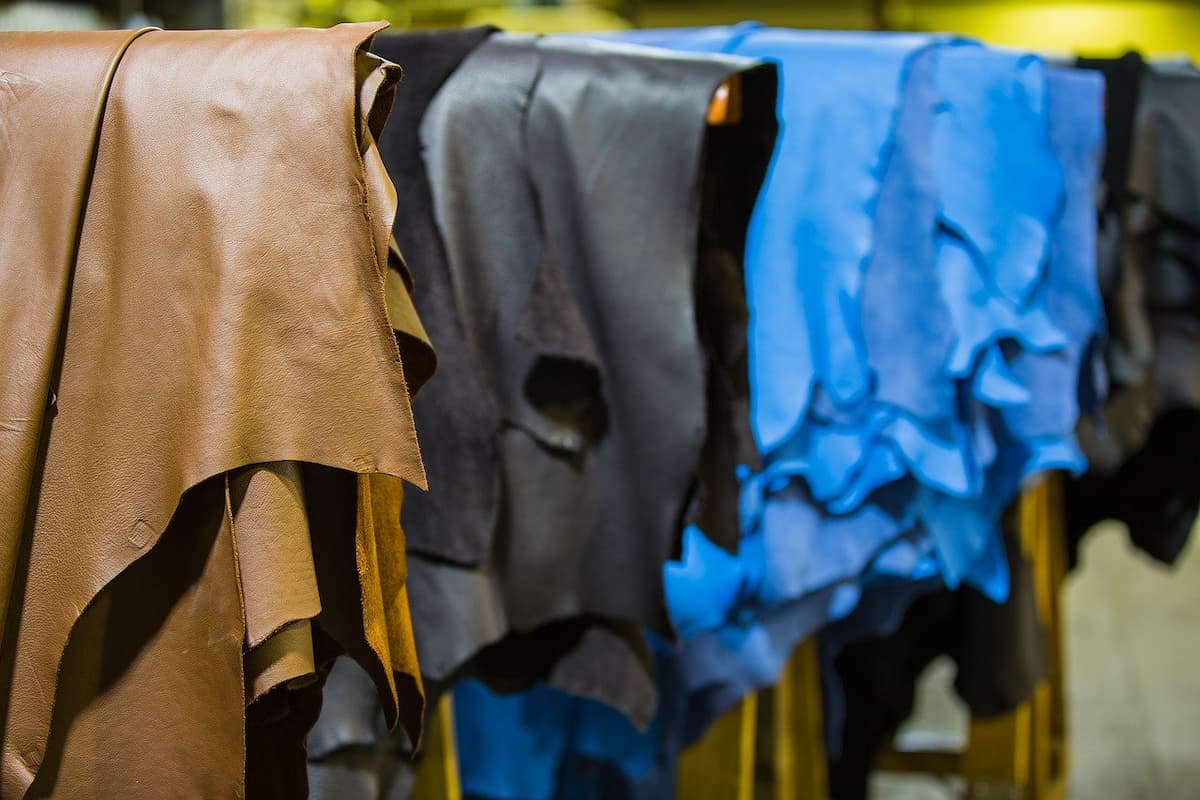
Leathery Chypres
Aramis (Aramis, 1966, Bernard Chant)
Aramis 900 (Aramis, 1973, Bernard Chant)
Woody Chypres
Polo (Ralph Lauren, 1978, Carlos Benaïm)
Antaeus (Chanel, 1981, Jacques Polge)
Bel Ami (Hermès, 1986, Jean-Louis Sieuzac)
Hermessence Poivre Samarcande (Hermès, 2004, Jean-Claude Ellena)
Hermessence Vétiver Tonka (Hermès, 2004, Jean-Claude Ellena)
Les Exclusifs Sycomore (Chanel, 2008, Jacques Polge)
Terre d’Hermès (Hermès, 2009, Jean-Claude Ellena)
Aventus (Creed, 2010, Olivier Creed)
Chypre 21 (Heeley, 2015, James Heeley)
Eau de Californie (Celine, 2019)
Santal Blanc (Serge Lutens, 2019, Christopher Sheldrake)


コメント