

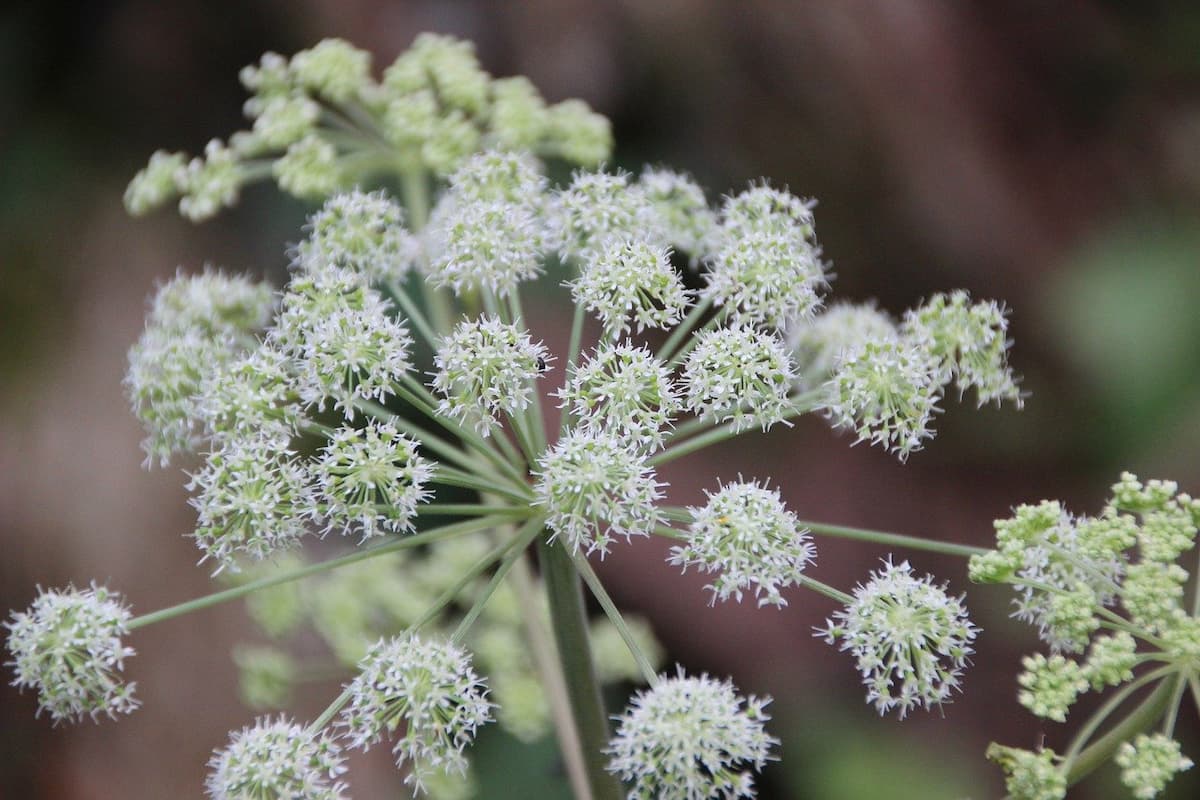
Anise, also known in Japanese as seiyō-uikyō (“Western fennel”), belongs to the Apiaceae family. Its seed-like fruits are called anise fruits (aniseed).
Star anise, meanwhile, is not botanically related; it is a tall evergreen tree in the genus Illicium. It is also called dai-uikyō (“greater fennel”) in Japanese, and its star-shaped fruit has eight points, hence the name hakkaku (“eight corners”).
These two have very similar aromas and flavors: powerful, sweet, and warm.
Perfumer Annick Ménardo is known as the queen of anise notes, and has used anise in many perfumes for various brands. Her first anise-centered fragrance was Lolita Lempicka (1997).
What Does It Smell Like in Perfume?
In perfume, anise has a clearly defined scent with a sweetness reminiscent of licorice candy and a cool, refreshing herbal quality. Anise (Pimpinella anisum), used as a perfumery material, is a different plant from star anise (Illicium verum). Trans-anethole plays the central role in the scent of anise essential oil. Anethole is also supplied as a synthetic fragrance material, giving a clear expression to sweet, refreshing anise notes. Plant-derived essential oil and anethole as an individual compound differ in their makeup, and also offer different degrees of aromatic fullness.
① When you follow the link above, the featured ingredient is already selected. If you would like to combine it with other ingredients, tap the ones you want from the ingredients shown farther down the page. Tapping or hovering over an ingredient displays a “+” symbol on the left. Press it to search for perfumes that combine those ingredients.
② Once you have selected the ingredients you want, press “SEE RECOMMENDATIONS” to display the results.

コメント