History and Method
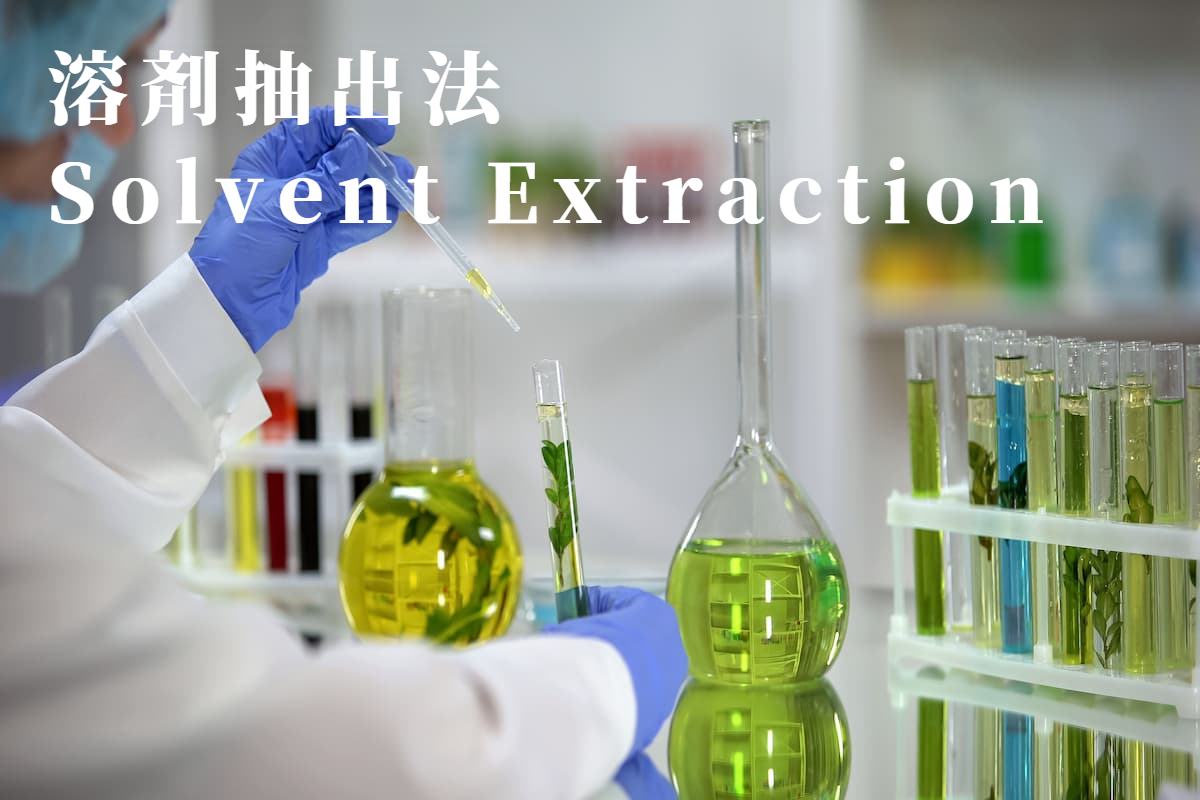
Steam distillation is a fragrance-extraction method said to have been discovered by the Greeks and Persians. The Arab physician Avicenna is said to have brought it to its completed form (the basic form still used today) in the tenth century. In English, the terms Hydrodistillation and Steam distillation are also used (the former involves immersing the material directly in water).
As the name steam distillation suggests, the raw material, placed in a steel tank, is exposed to high-temperature steam, and the essential oil can be separated by reaching its boiling point. Because of vapor pressure, distillation can take place at a boiling temperature lower than the usual 150–300°C boiling range of essential oils, preventing changes to or deterioration of the scent caused by high temperatures. The separated essential oil is cooled and collects in what is called a condenser. Distilled water also collects at this stage, but because of the relationship between oil and water, the essential oil accumulates on the surface of the distilled water.
The essential oil obtained from the first distillation is called Direct Oil, and the distilled water obtained alongside it is called Scented Water (aromatic distilled water). Well-known scented waters include rose water and orange flower water. Since aromatic constituents remain in this scented water, it is distilled again. The essential oil obtained in this way is called Indirect Oil, and the resulting distilled water is called Second Water. The Direct Oil and Indirect Oil are mixed together and sold as the essential oil.
The method cannot be used for every raw material; flowers such as jasmine and tuberose apparently cannot be extracted by steam distillation. The method is used to extract not only flowers but also leaves and roots.